
The ex-partner with the old key. The tenant who simply doesn't move out after the lease ends. Such cases may sound rare, but they occur repeatedly in practice – and owners are often unsure of what is legally permissible.
A case for criminal or civil law?
Not every dispute over an apartment automatically requires police intervention. Disputes over eviction, rent increases, or the regular return of the rental property belong before the conciliation board or the tenancy court. Only when someone remains physically in the apartment despite a clearly terminated right of occupancy, or gains entry by force, does the criminal element come into play – and thus trespassing.
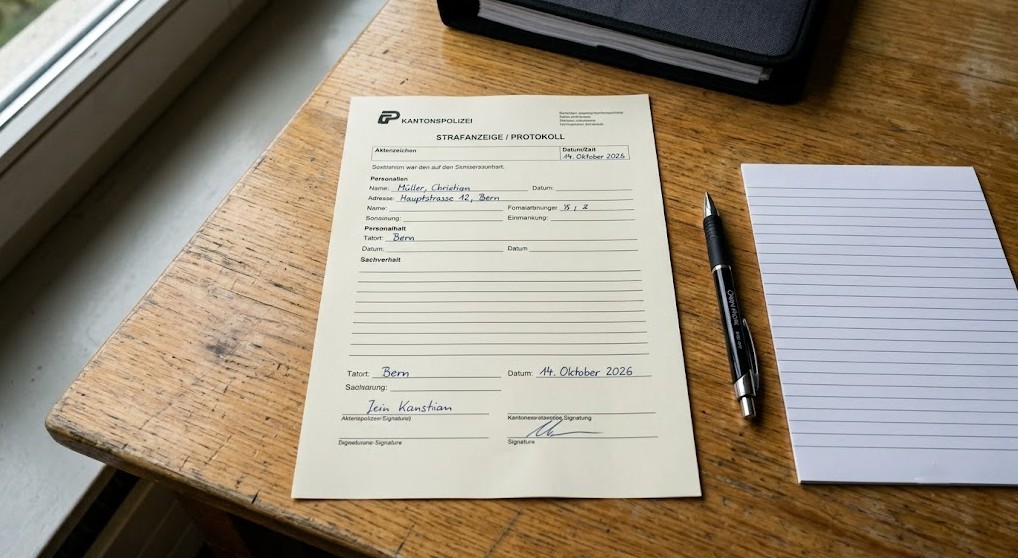
What property owners need to know about trespassing
The legal framework
Trespassing is regulated in the Swiss Criminal Code and protects the right to decide who is present in one's own home. Anyone who enters a dwelling against the will of the entitled party or refuses to leave after being asked to do so is committing a crime.
Typical grey areas
Things get interesting when dealing with individuals who originally had a right of access but have since lost it – for example, a former roommate or ex-partner. Conversely, a landlord who enters the apartment of an active tenant without prior notice or a valid reason may be committing a crime. The right of access is not a one-way street, and this is a fact that is frequently overlooked in practice.
This is how owners proceed
Because trespassing is a private prosecution offense, it is only prosecuted upon complaint by the rightful owner. The following procedure is recommended:
- File a police report to initiate the proceedings.
- Document incidents with photos, timestamps, and written requests.
- If eviction does not occur, consider pursuing civil law options for expedited deportation.
- Avoid taking matters into your own hands – changing the locks without a legal basis weakens your position rather than strengthening it.
The last point in particular is often underestimated: The impulse to solve the problem oneself immediately is understandable, but can backfire legally.
With over 50 years of experience in property management and brokerage, we understand the processes that matter in such situations. We are happy to assist you with any questions regarding your property.
Conclusion
Trespassing is rarely a routine situation for property owners – which makes it all the more important to distinguish between criminal and civil law in a serious case and to act consistently, but not unilaterally. Documenting the incident early and taking the right steps creates the best foundation for a swift resolution.